Structural Steel Design

In-house steel design and detailing by a team that sits with the fabricators and installers. The drawings reflect how the steel will actually be built.

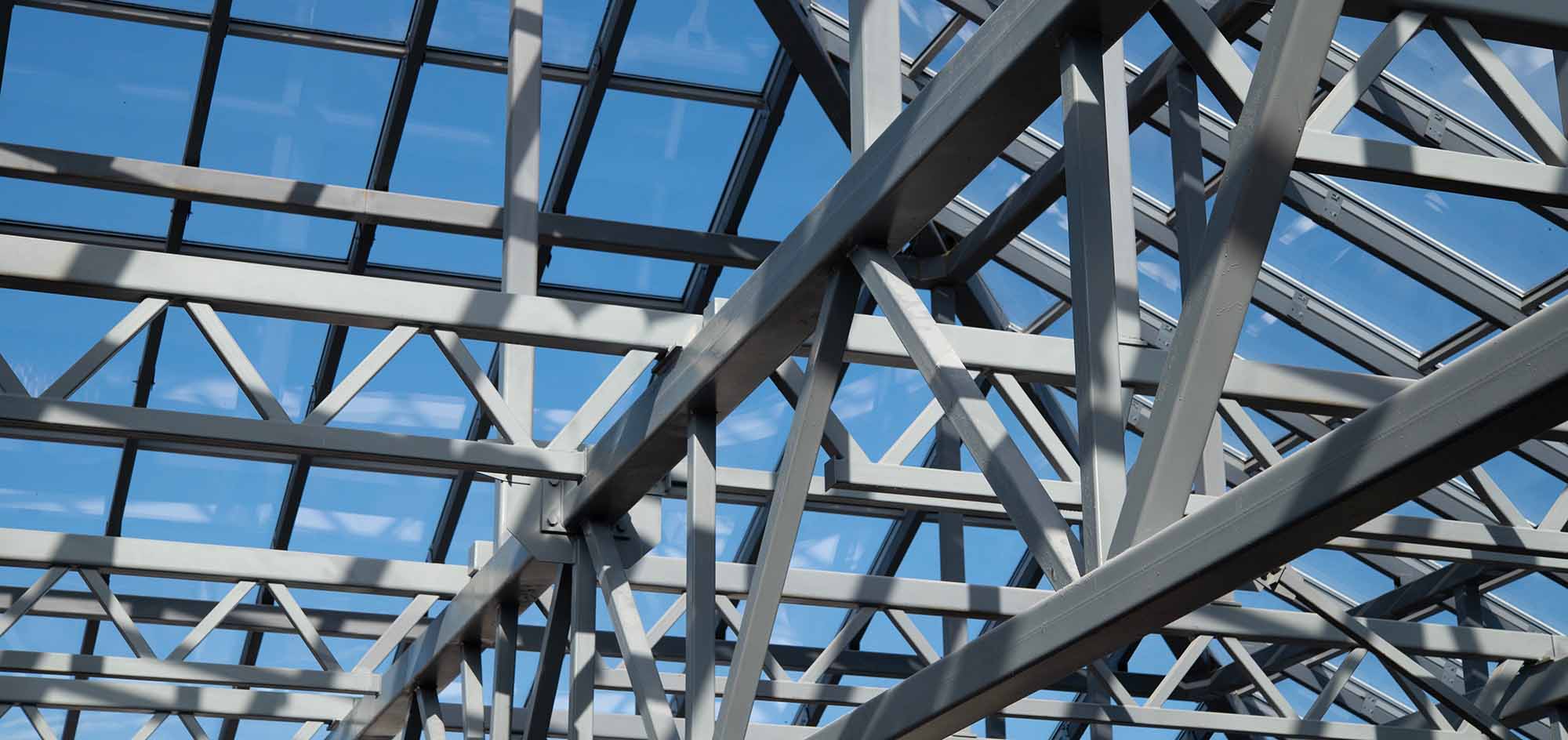
Image depicting Structural Steel Design

Designed to Be Built

Here's How It Works

Our designers know how our shop fabricates steel and how our crews install it. That knowledge gets built into every drawing, which is why our steel tends to fit the first time.

Design That Accounts for What Happens After the Drawings

Where Experience Meets Execution

A set of shop drawings is only as good as what happens when the steel hits the shop floor and the job site. Drawings that look right on screen but don't account for fabrication tolerances, erection sequencing, or connection access cause problems that show up weeks later as RFIs, field modifications, and schedule delays. Our design team avoids those problems because they work alongside the people who will fabricate and install the steel. When a detailer has a question about a connection, they walk to the shop floor. When an installation issue comes up during planning, the designer hears about it the same day. That feedback loop is built into how we work. It's the reason our steel tends to go up without the coordination issues that plague projects where design, fabrication, and installation are handled by separate companies.

Elance Steel’s design team doesn’t work in isolation. Our detailers sit in the same building as our fabrication shop and our installation crews. That physical proximity is the reason our designs tend to produce fewer RFIs and fewer surprises during fabrication and erection.

We provide steel design coordination, detailing, and shop drawing preparation for structural steel and metal fabrication projects. Our team works alongside engineers, architects, and general contractors. We don’t replace any of them. Our role is to translate engineering intent into steel that can actually be fabricated and erected efficiently. That translation is where most coordination problems live, and it’s where our experience adds the most value.

Getting involved early makes a difference. When our design team is part of the conversation during schematic or design development, we can flag constructability issues, suggest connection details that simplify erection, and identify where fabrication efficiencies exist. All before the drawings are issued for tender. That’s harder to do when the steel detailer is brought in after the design is locked.

When In-House Design Makes Sense

Built for Complex Steel Projects

Our design services add the most value on projects where the steel itself is complex: long-span trusses, curved members, heavy industrial structures, tight tolerances, or phased construction that requires sequenced fabrication and delivery.

GCs and project teams engage our design group when they want one organization responsible for turning engineering drawings into fabrication-ready steel. When design, fabrication, and installation are managed separately, coordination gaps open up. RFIs stack up. Change orders follow. Our setup avoids that by keeping the design team connected to the shop and the field throughout the project.

Frequently asked questions

Clear answers to common questions about our steel design, fabrication, and installation process, so you can move forward with confidence and clarity.

More Questions? Contact us
  • What type of design work does Elance Steel provide?

    Steel design coordination, detailing, and shop drawing preparation. We take the engineer’s structural design and develop it into fabrication-ready documents, including connection details, member sizes, and erection sequencing.

  • Do you replace the role of the engineer or architect?

    No. We work with the engineer of record and the architect. Our role is to translate their structural design into detailed shop drawings that our fabrication shop can build from and our installation crew can erect from.

  • Is design work completed in-house?

    Yes. Our design team works in the same facility as our fabrication and installation teams. That’s how we maintain coordination throughout the project instead of managing it through document exchanges between separate companies.

  • Can you get involved during early project stages?

    Yes, and we recommend it. Early involvement lets us provide constructability input and identify fabrication efficiencies before the design is finalized. Changes are cheaper on paper than they are in the shop.

  • How does integrated design benefit the project schedule?

    When the design team is connected to fabrication and installation, questions get answered faster, revisions are caught earlier, and shop drawings reflect real-world conditions from the start. That means fewer cycles of review and less rework downstream.

  • What types of projects benefit most from Elance’s design services?

    Projects with complex steel geometry, specialty trusses, tight coordination between structural and miscellaneous steel, challenging site conditions, or schedules where delays in shop drawing approval would hold up fabrication.